Masks from Timor
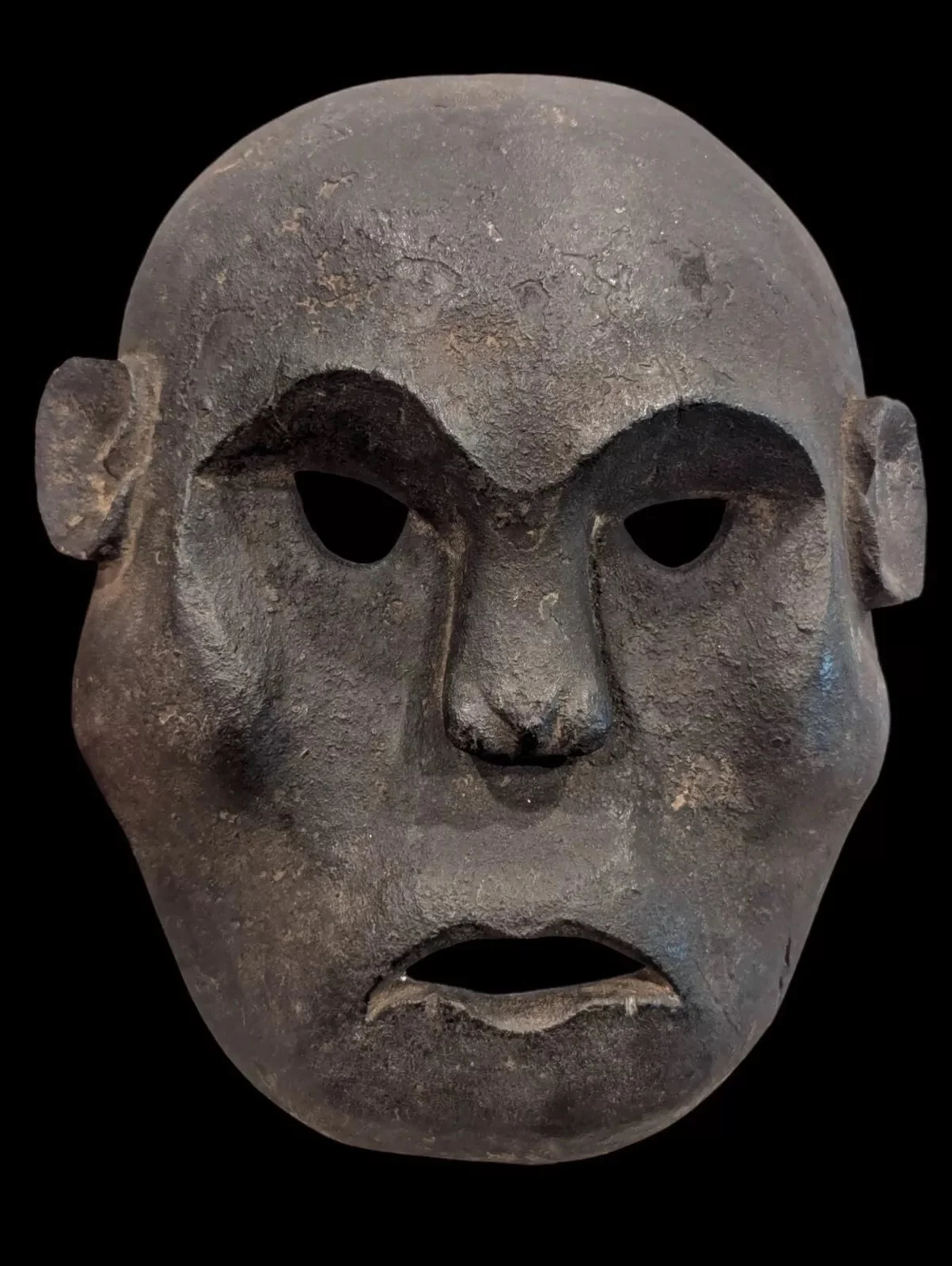
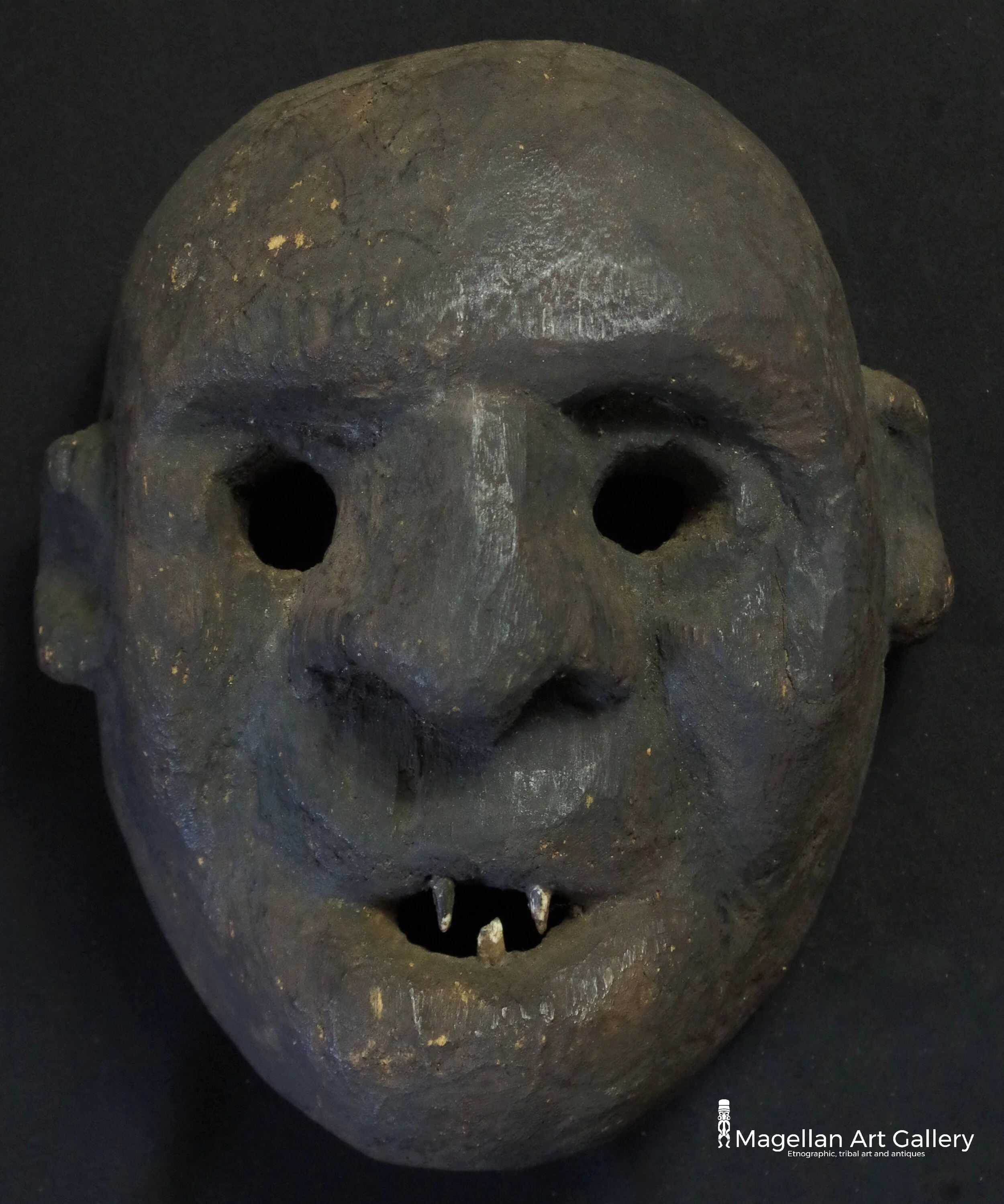
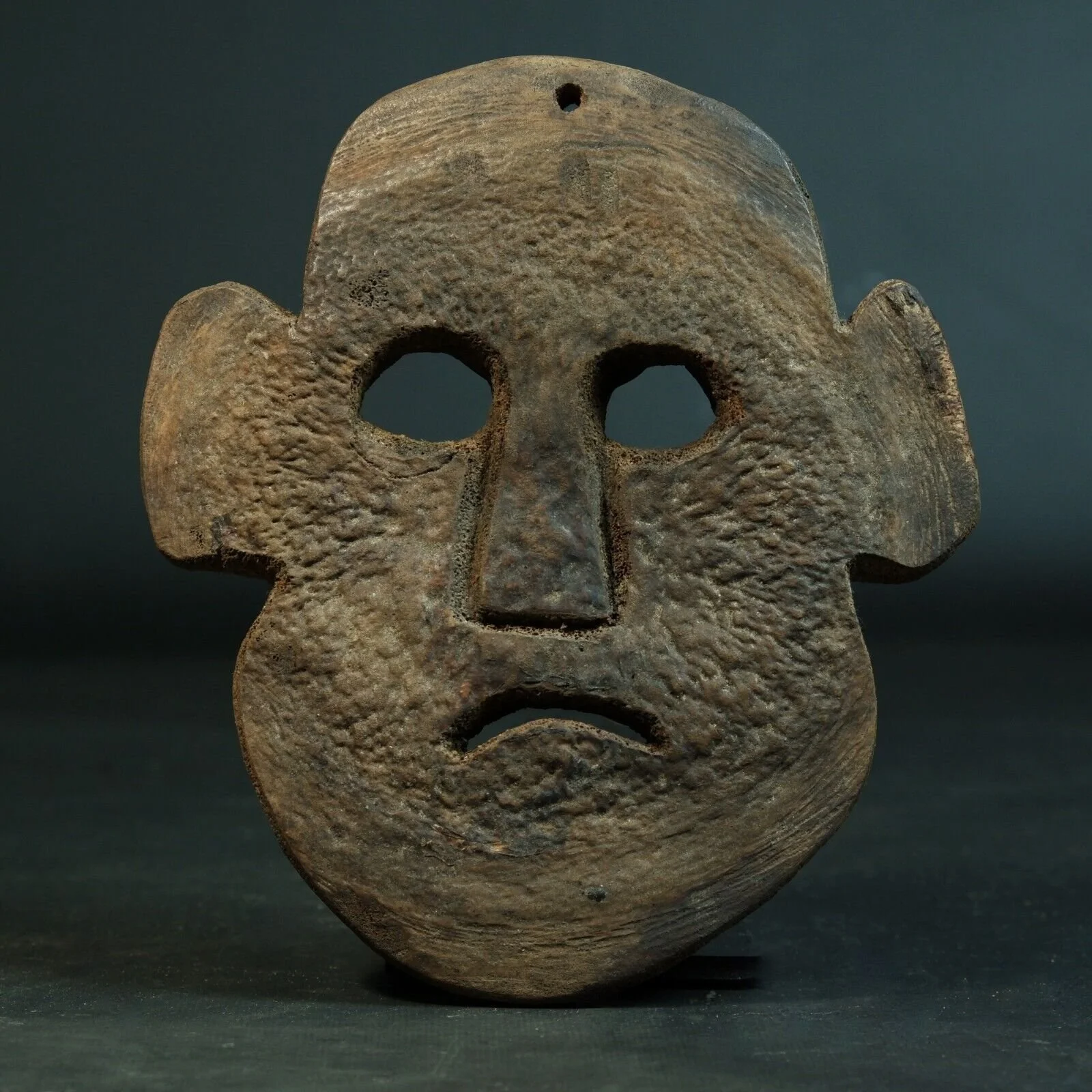
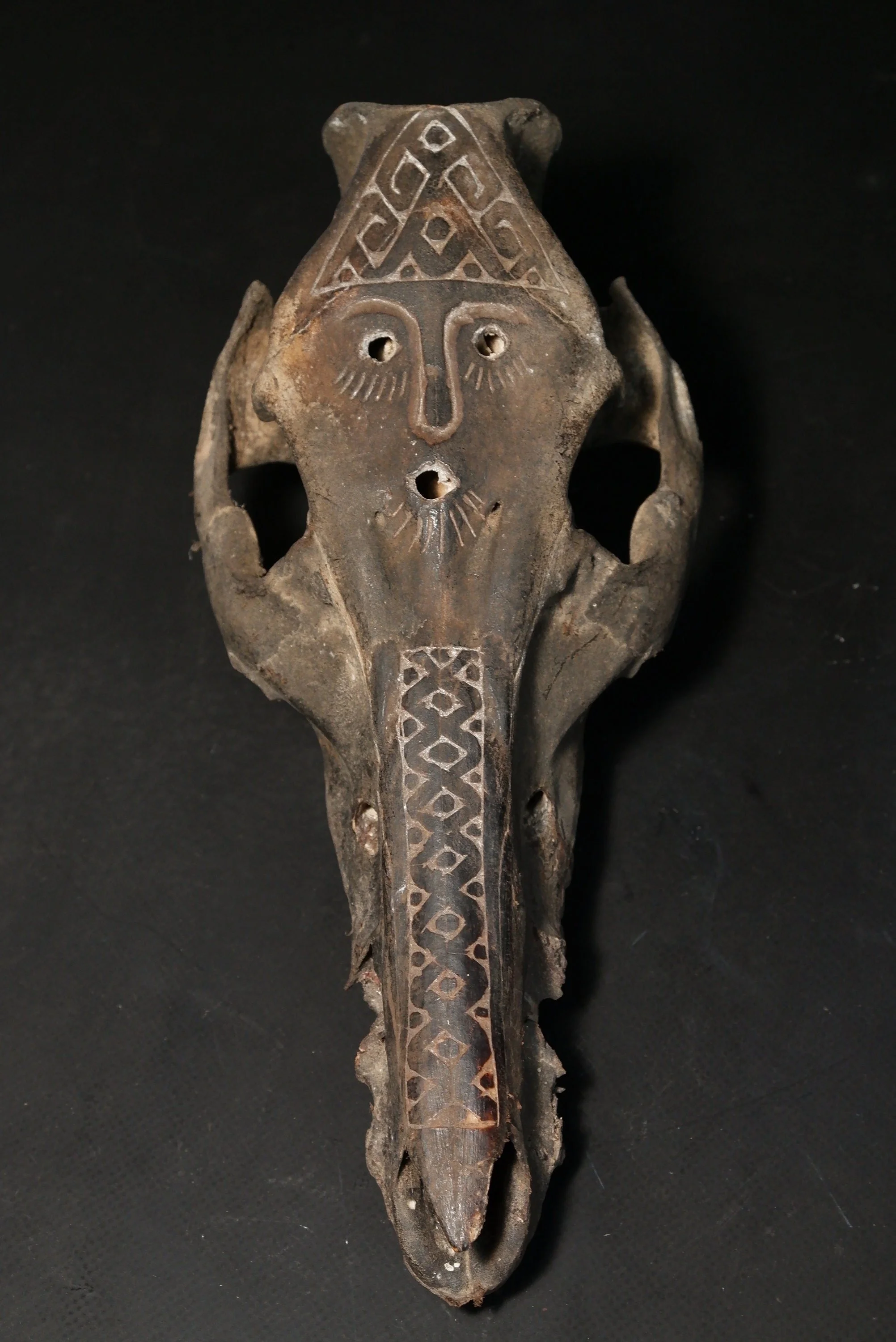
The island of Timor produced a distinctive tradition — or several traditions — of masks, whose origins and meaning remain poorly documented. There is no dedicated study on the subject: the published references amount to a few lines, and most of what I know comes from interviews with elders in Tetun and Atoni villages.
Their accounts point mainly to warfare. Masks were worn in battle to intimidate the enemy, and in raids on neighbouring communities, where covering the face served to conceal the identity of those taking part. In one Atoni area I was told of a quite different use, connected with the ritual re-thatching of sacred houses. Informants agree that the practice ended after the Second World War.
Styles vary considerably between regions, and attributions are often uncertain. Masks circulating on the market are frequently labelled biola and described as ceremonial: neither the term nor the description is attested in the anthropological literature I have consulted, nor by any of the people I interviewed in West Timor.